
Who really benefits when the world can’t sleep?
Sleeplessness is no longer a personal struggle; it’s an entire business model.
It’s 1:47 a.m. The city is quiet, but the Swiggy riders are still on the move, Netflix keeps asking you if you’re still watching, and your Amazon shopping cart is one click away from “Buy Now.” Who said the night was meant for sleeping?
The Rise of the Sleepless Economy
In a world that never sleeps, sleeplessness has quietly become one of the most profitable commodities of the 21st century. As per the World Economic Forum, 61% of adults are sleep-deprived. Every hour we stay awake is an opportunity for someone else to sell, stream or advertise. The modern market doesn’t just cater to our sleeplessness – it very actively creates and sustains it. From streaming platforms that auto-play one episode after another, e-commerce websites that provide exciting offers at odd hours in the night, and social media apps designed in a way that keeps us hooked – businesses today first make us sleepless and then generate money out of that very sleeplessness.
Businesses such as food delivery platforms, e-commerce websites, streaming services, social media apps, pharmaceuticals, skincare and beauty products, and even gambling platforms are printing money based on the sleep deprivation of the masses.
Food Delivery: Feeding Midnight Cravings
As more young people stay awake late into the night, cravings for comfort food increase and platforms such as Swiggy and Zomato are ever ready to respond. What used to be a midnight snack run is now confined to just a single tap on the phone. With platforms providing 24×7 delivery, tempting notifications, warm colour palettes, and “midnight cravings” menus to draw our attention, the order frequency has increased exponentially. Swiggy observed an 82.4% surge in late-night orders in the last two years, with cities such as Mumbai and Bengaluru leading the trend. In fact, it sold a whopping 84 million orders of chicken burgers between 12–2 AM in 2024. This behaviour is backed not just by convenience but also by science. Lack of sleep triggers hunger hormones and weakens self-control, making high-calorie food at your doorstep irresistible.
But it’s not only food that capitalises on sleepless nights, entertainment does too.
Streaming: The Binge That Never Ends
Streaming platforms such as Netflix, Amazon Prime Video, and Jio Hotstar use a variety of strategies to monetise attention. When people stay awake at night, they are more likely to binge for longer hours without interruptions, and these platforms make sure this experience is flawless. Autoplay takes the user from one episode to another, personalised recommendations offer “just one more show”, and midnight notifications encourage users to watch more and more. Even the content and its marketing are designed in a way that users become addicted to the platform – cliffhanger endings, endless social media buzz, and weekly episode releases. But why do they want you hooked? It’s simple. The longer you stay awake and keep streaming, the more valuable you become in terms of continued subscriptions or ads viewed. In both cases, it means more revenue for the company. OTT platforms also optimise their interfaces for late-night users: dark themes, one-tap play, and “trending now” rows to reduce decision fatigue. In the words of Netflix itself, sleep is the greatest enemy of OTT platforms.
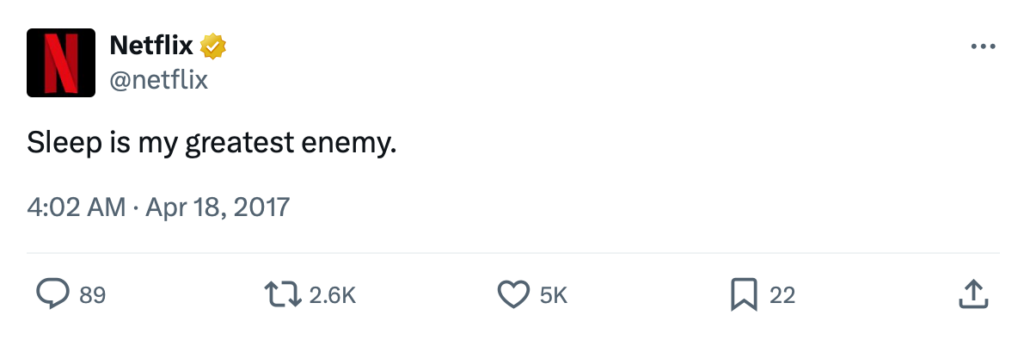
And as people spend more time online – watching, scrolling, and engaging – this attention naturally spills over into another late-night economy: e-commerce.
E-Commerce: Impulse Buys at 2 A.M.
Today, e-Commerce has changed the old “midnight closing” to the new “midnight shopping”. It was reported that up to one-third of e-commerce transactions took place between roughly 10 pm and 4 am. As per studies, late-night users are more prone to confusion, indecisiveness, and impulsive shopping, making them ideal targets for e-commerce companies. Now, how do these companies monetise sleeplessness? Platforms such as Amazon, Flipkart, Myntra, etc., design their interface in a way that the backend supports 24×7 business hours all across the world. Ever wondered why your phone buzzes with a discount on makeup or skincare at 2 a.m.? That’s them inviting you to browse. Offering “midnight flash deals”, making “buy now” buttons prominent, adding “last chance to buy” tags, and simplifying the checkout process help them convert this late-night browsing into revenue.
Pharma and Beauty: Selling Sleep “Solutions”
Yet, the demand for convenience extends beyond shopping. Interestingly, it is now shaping how people access healthcare as well. Pharmaceutical companies also profit from a society that struggles to sleep.
Pharma houses make ordinary experiences, such as occasional sleeplessness, seem like chronic medical conditions that require immediate medication. This is part of a bigger strategy known as “medicalisation”. It appears through “awareness campaigns” that seem educational on the surface but actually are promoting instant medication as the primary solution. Surveys show that almost one out of five patients actively request doctors to prescribe sleeping pills, showing how deeply the belief is embedded. This creates a cycle where patients, dependent on sleeping pills to fall asleep, become long-term users, creating a regular revenue stream for drug houses. Subsequently, they release new drugs claiming them to be “improved” or “natural” versions of the pills, market them as safer or more advanced alternatives, and sell them at premium prices. Online pharmacies like PharmEasy, 1mg, and Netmeds cater to the night-time users by offering doorstep delivery of medicines, health supplements, and diagnostics, 24×7.
The skincare and beauty industry follows a similar path, heavily promoting intensive night-time skincare routines and overnight “recovery” products as a “necessity” to cure the visible effects of chronic exhaustion- essentially selling products to cure an issue created by lack of sufficient sleep, which itself is sustained by the modern economy and products they are selling.
Ethical Paths Forward: Responsible Late-Night Business
But this is not supposed to be a story of exploitation; it’s a question of responsibility and ultimately, sustainability. While sleeplessness is clearly being monetised, the real question for the next wave of successful companies is whether they can participate in this economy without exploiting tired, vulnerable consumers? If businesses are adapting to a world that stays awake at 2 a.m., they need to do so ethically to build long-term trust. So, the primary challenge is to tap into the late-night consumer segment responsibly and sustainably. Here’s how they can target late-night consumers.
The first step is to understand the late-night consumers to design better experiences. Understand what keeps consumers awake, what emotions influence their decisions, and how businesses can step in without encouraging unhealthy habits.
Next, businesses should curate products or services that cater to late-night needs- anything from healthier food choices to on-demand study tools. In fact, 24×7 customer service helplines, AI-powered chatbots, live chat shopping, etc., can further enhance this experience. On the interface front, dark theme layouts, one-tap checkout, optional autoplay, and simpler website navigation can make a huge difference for tired consumers, and late-night users are typically tired.
Marketing plays an important role, too. Subtle, relatable campaigns such as “Midnight Sale” or notifications such as “Still awake? We’re up with you” make the brand feel present without being too intrusive.
Profiting Without the Harm
In conclusion, the late-night economy is a massive opportunity for businesses to capitalise on, provided it is done sustainably. It thrives on sleeplessness, turning tired minds into profits. Yet, the companies that last will be those that meet late-night demand efficiently while avoiding obvious harm.